Friday, October 13, 2006


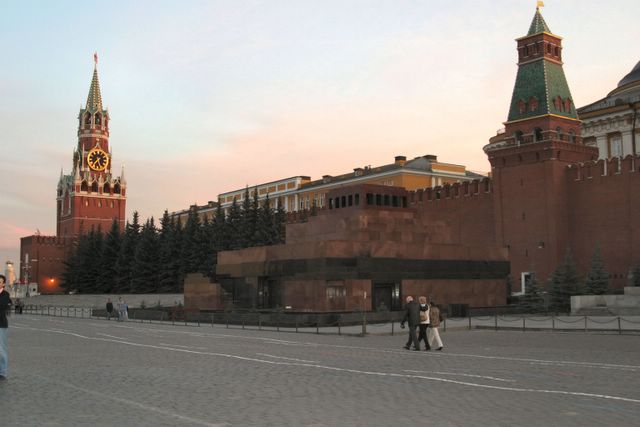
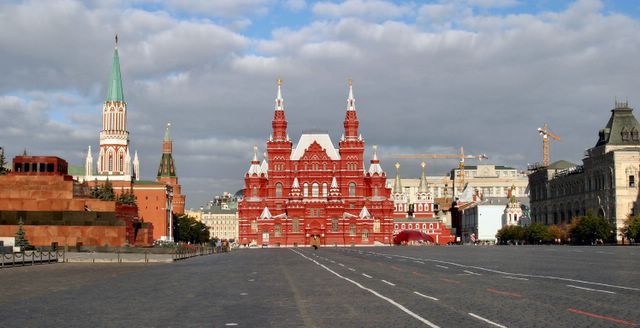
Visitors make their way to the entrance of Lenin's Tomb in Red Square. Posted by Picasa

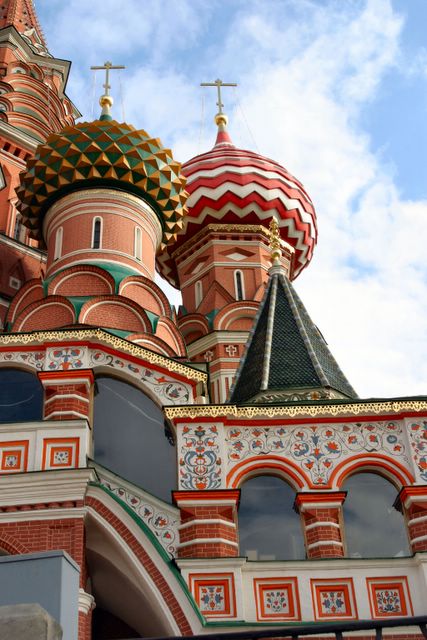
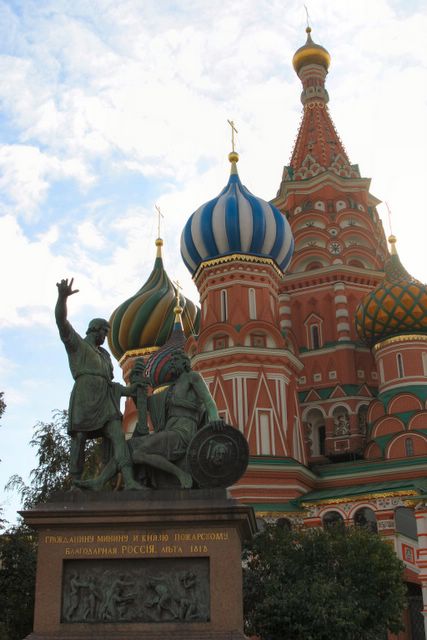
The onion domes of St. Basil's Cathedral; Red Square, Moscow. Posted by Picasa

Another view of St. Basil's. Posted by Picasa

Red Square, Moscow, Russia. September 27th, 2006. In the left foreground is Lenin's Tomb; the State Historical Museum is in the center; the old GUM Department Store is at the right side of the photo. It has been converted into a very nice shopping mall. Posted by Picasa

Thursday, October 12, 2006


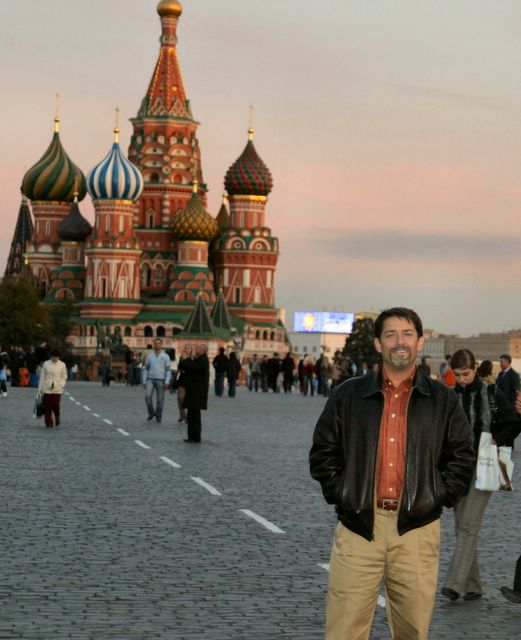
The author in Red Square, Moscow on September 26th, 2006. Posted by Picasa

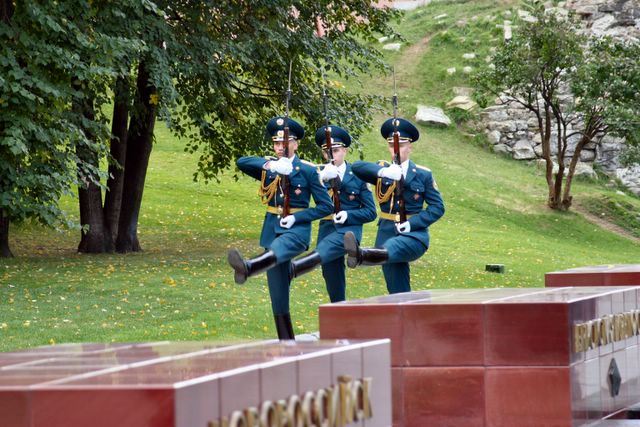
Chaging of the guard ceremony at the Tomb of The Unknowns in the Kremlin. The polished marble blocks in the foreground each commemerate a different Russian city that was beseiged and attacked by the Germans in World War II (know as the Great Patriotic War in Russia).  Posted by Picasa

Pictures from Moscow, Russia

As part of my recent trip to Europe and Africa, I made a 36-hour stop in Moscow. Below are photos taken at Red Square as well as various other places in the city.

Wednesday, October 11, 2006

Travels Abroad - Egypt

More photos from my recent trip to Africa and Europe. Below are several images taken in and around Cairo, Egypt. This was the second destination in an 11-day trip that took me to Amsterdam, Cairo and Moscow.

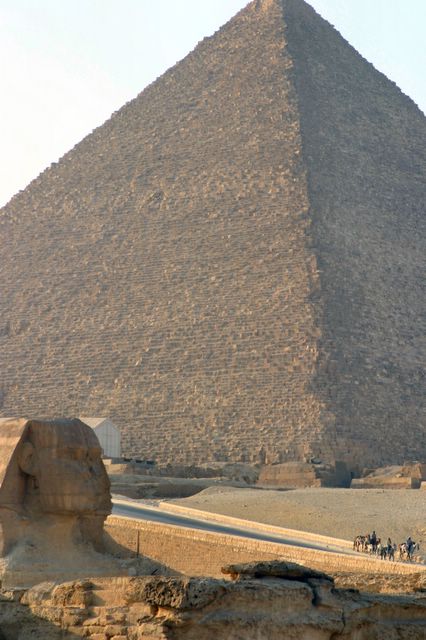
The Pyramid of Khufu, at Giza. Great Sphinx in left foreground. Until around 1300, this pyramid was the tallest manmade structure on Earth. Posted by Picasa

They Pyramid of Menkaure and the three smaller "Pyramids of the Queens". Posted by Picasa

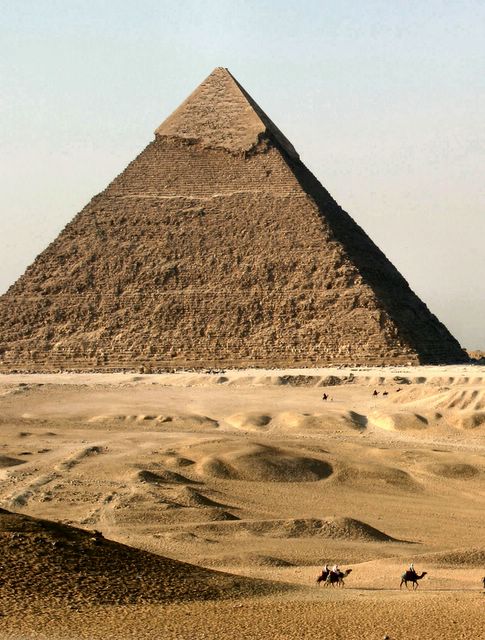
The Pyramid of Khafre. Posted by Picasa

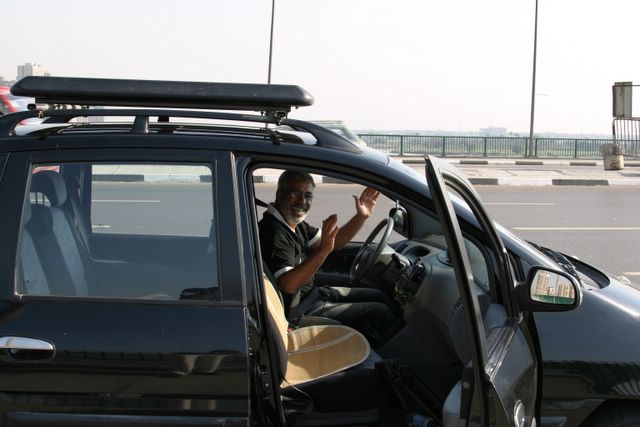
Mohamed, my driver. He likes to listen to Willie Nelson, George Jones and just about anything "country". Loves Americans, hates our government, and answers the Imam's call to prayer five times a day. Posted by Picasa

The Nile River,which runs through the city of Cairo. While there, I heard that the population of this city is now 22 million people. Posted by Picasa

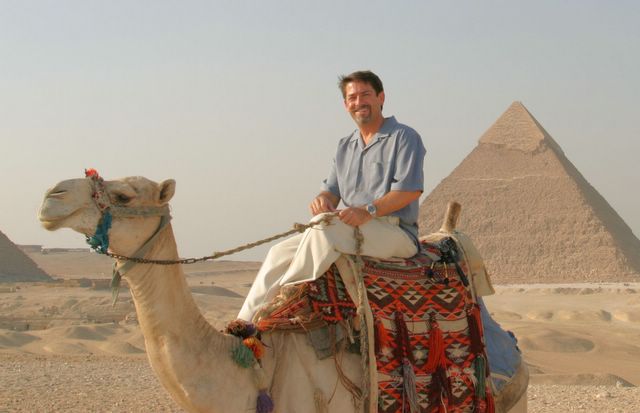
Author in downtown Minneapolis. Posted by Picasa

Monday, October 09, 2006

Trip to Europe

I recently returned from a trip to Europe and Africa. Over the next several days, I'll be posting some of the photographs I took during my travels.

Here are some images taken in and around Amsterdam, Holland. More to follow.

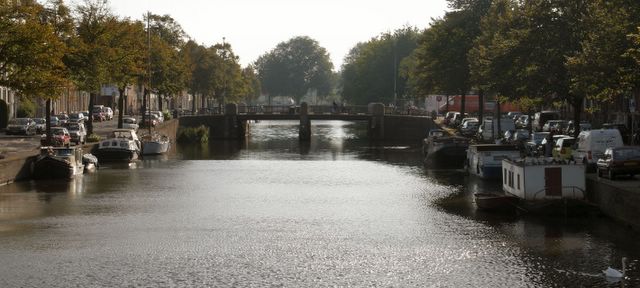
Haarlem, The Netherlands. This town is, like Amsterdam, built on extreme lowlands and utiliziing a large array of canals and bridges to carry traffic. Haarlem is a couple of train stops away from Central Amsterdaam, and is typical of the types of neighborhoods that can be found around this part of Holland.  Posted by Picasa

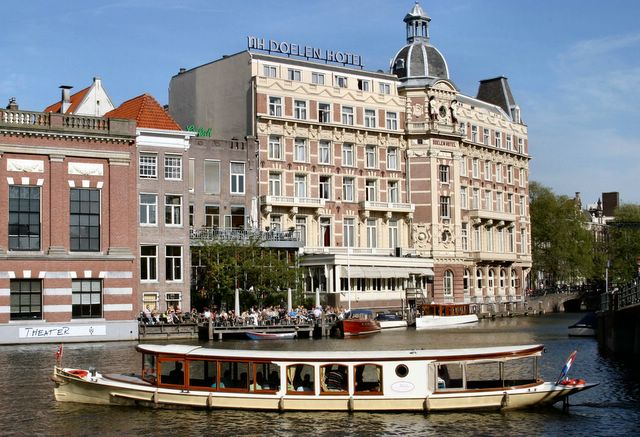
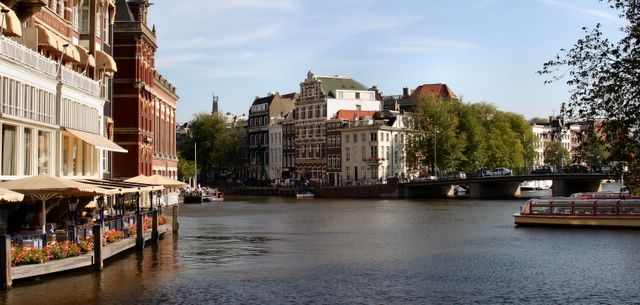
The NH Doelen Hotel, which overlooks the Amstel Canal. Water taxis like the one in the foreground are very commonplace in Amsterdam. They make up just one piece of a very effective mass transit program that seeks to reduce automobile traffic in the city. The NH Doelen Hotel, which overlooks the Amstel Canal. Water taxis like the one in the foreground are very commonplace in Amsterdam. They make up just one piece of a very effective mass transit program that seeks to reduce automobile traffic in the city.
 Posted by Picasa

View of the Amstel Canal. Central Amsterdam, near the intersection of Vijzelstraat and Rokin-Amstel.
 Posted by Picasa

Sunday, October 08, 2006


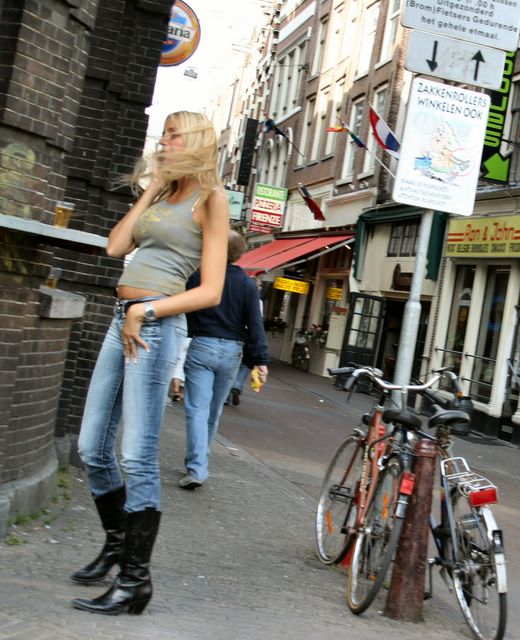
I think this photo captures a sense of contemporary life in Amsterdam.  Posted by Picasa

Friday, August 11, 2006

Vacation Photos

My daughter and I just returned from a vacation trip to Southwest Utah (and also Northern Arizona). We stayed in the little town of Tropic, UT, just outside of Bryce Canyon National Park. From there, we took day trips to Bryce Canyon, the North Rim of Grand Canyon N.P., Escalante National Monument, and various other places. Both of us agree that it is one of the most beautiful parts of this country that we’ve ever seen. We plan to go there again and see more.

� Author, Hole in Rocks, Bryce Canyon N.P. 2006, All Rights Reserved
Posted by Picasa

� Bryce Canyon N.P. 2006, All Rights Reserved
Posted by Picasa

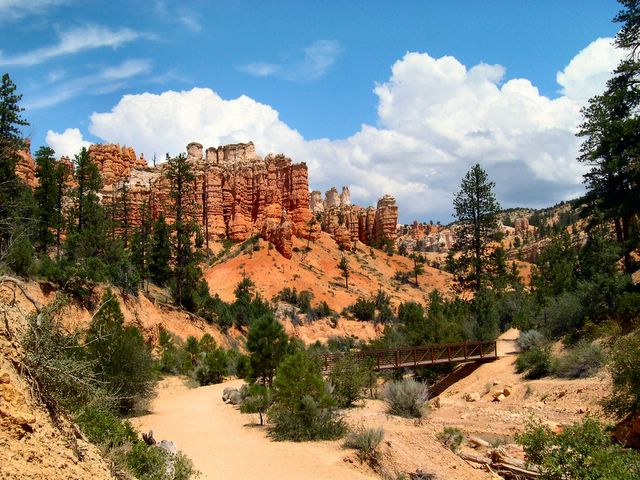
� Bryce Canyon N.P., near Mossy Cave. 2006, All Rights Reserved
Posted by Picasa

� Spooky Canyon, Escalante National Monument, UT. 2006, All Rights Reserved.

My daughter and I explored a place called Spooky Canyon, which is located southeast of the town of Escalante, UT. The trailhead to this slot canyon was reached by a 28-mile dirt road that led through some very harsh desert. From the trailhead to the canyon entrance was about 1.5 miles of downhill hiking (which became steep uphill hiking on the return). Canyons like this one feature walls that are often only a foot or so apart. They are formed as sandstone is slowly eroded away by the brief, violent thunderstorms and accompanying floods that are common to this area. Hiking the slot canyons should only be done on a day with no rain in the forecast. Large people, claustrophobics and others who are not used to strenuous hiking or rock climbing should avoid this activity. Oh, and bring plenty of drinking water.
Posted by Picasa

� Spooky Canyon, Escalante National Monument, UT. 2006, All Rights Reserved
Posted by Picasa

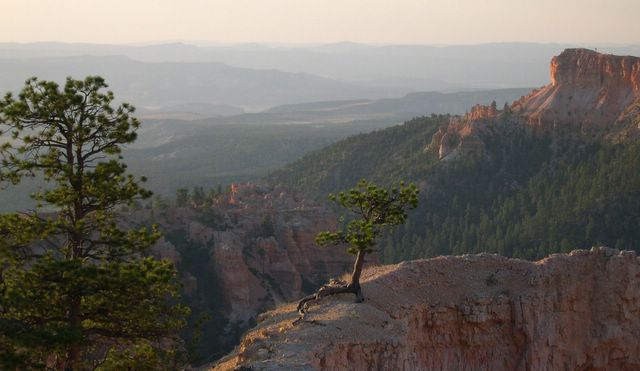
� Bryce Canyon N.P., Rainbow Point Overlook. 2006, All Rights Reserved
Posted by Picasa

� Bryce Canyon N.P., Sunrise Point. 2006, All Rights Reserved
Posted by Picasa

� Bryce Canyon N.P., Mossy Cave Trail. 2006, All Rights Reserved
Posted by Picasa

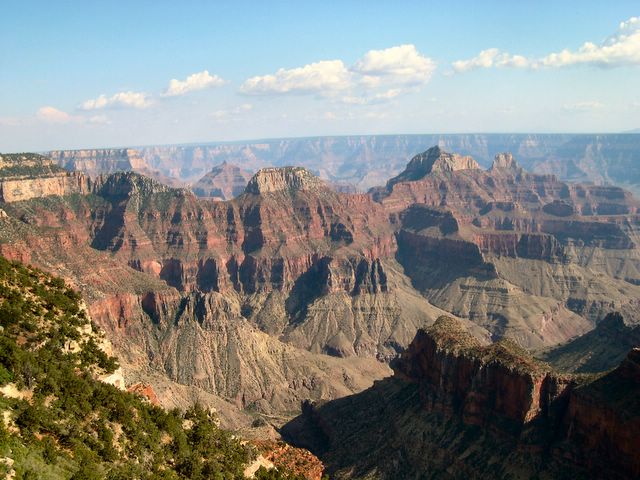
� Coconino Overlook, Grand Canyon N.P. (North Rim), Arizona. 2006, All Rights Reserved
Posted by Picasa

Wednesday, May 31, 2006

Last week, the progressive group "MoveOn.org" mobilized its membership to get together, discuss and vote on the Top 3 ideas that MoveOn.org would champion for the remainder of 2006 and into the near future.

Based on the feedback received from 600 "Positive Agenda House Parties" hosted by MoveOn members, ten goals were identified as finalists and members were allowed to vote online to decide which ones would make it to the Top 3 list.

The number one goal, in my opinion, needs to be one of making our country energy independent. America needs to lead in developing clean, renewable sources of energy. We need to reduce, if not eliminate, our dependence on oil, especially foreign sources of oil.

When I was a kid, I witnessed firsthand the effects of the first "Arab Oil Embargo". Prices for petrol rose as demand outstripped supply. I can remember waiting in long lines of cars for an hour or more, just so my mom could get the tank filled. A system was put into place where you could only get a fill-up on an even or an odd day, depending on the last number of your car license plate. I later learned that the embargo was a result of the US government's support of Israel in a war against Egypt.

Although the crisis didn't last long, it did raise public awareness of how dependent America had become on oil from the Middle East. A hue and cry went up from the pols on Capitol Hill, demanding that something be done to release the stranglehold that OPEC had on the necks (and pocketbooks) of American consumers. Does anyone remember this? All of the sudden, ideas emerged about alternative sources of energy that could, with the support of government, reduce our reliance on foreign sources of oil. Really good ideas, too, like solar power, wind turbines and fusion energy research. Some government regulations were enacted to impose higher mileage requirements from the auto industry, and some alternative energy tax credits were introduced. These were the beginnings of a solution to the problem, albeit small beginnings.

Over time, the crisis eased and the public's attention shifted (or got shifted). Before long, the alternative energy credits disappeared, the automakers stopped making gas-sipping compacts and geared up for the SUV / minvan generation, and before you knew it, we had a Trans-Alaska pipeline, the Hummer, and two oilmen in the White House. The Middle East still has 90% of the oil and apart from wind farms that provide about 1% of our energy needs, plus a fleet of aging atomic energy plants that no one wants to live near, we are no closer to energy independence now than we were when I was a boy back in 1975.

If we demanded more of our government, such as reducing military spending by 50% and using that money to finance the necessary R&D for alternative energy (clean and renewable) production on a massive scale, it might take another 30 years before America could say it was "energy independent". But having seen the past 30 years fly by, I can tell you that three decades is not a long time, especially when the time is well spent.

Let's get started!